How to read a coffee bag
Deep Dive · 4 min read
Four fields on every bag tell you almost everything about what's in the cup: roast date, origin, processing, and roast level. Here's what each one actually means, and how to read a shelf of bags in under a minute.
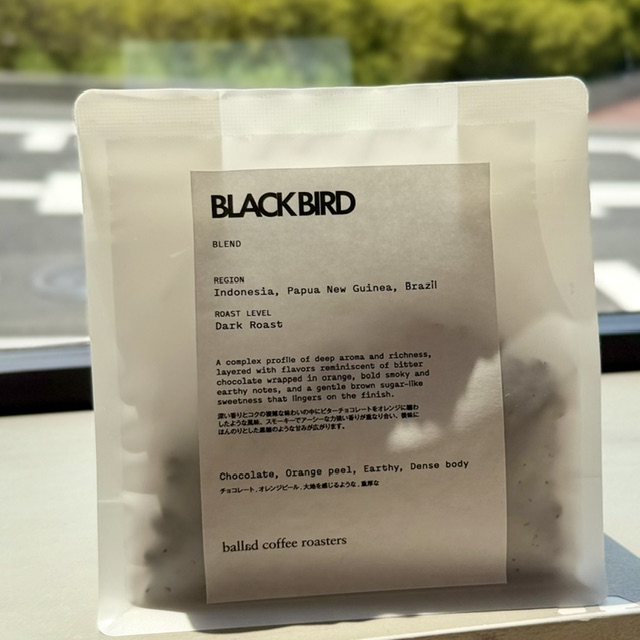
Most bags tell you everything or nothing, and rarely anything useful in between. Four fields actually matter: roast date, origin, processing, and roast level. Learn what each one means and you can read almost any bag on any shelf in under ten seconds, and know roughly what is going to end up in the cup before you have opened it.
Roast Date
This one is about freshness, not shelf life. After roasting, beans need a few days to release the carbon dioxide trapped inside them, and only then do they really hit their stride. Most coffee is at its best somewhere between one and three weeks past the roast date. Darker roasts arrive there a little faster, lighter roasts take a bit longer to open up.
A "best before" date a year out is not the same information, and it usually means the bag is not telling you what you actually want to know. If a roaster will not print the day they roasted it, that omission tells you enough on its own.
If the bag won't tell you the day it was roasted, that usually tells you enough.
Origin
Where the coffee grew sets the baseline flavor. Ethiopia leans floral and bright, with berry and citrus running through it. Brazil leans chocolatey and nutty, fuller in body, lower in acidity. Colombia tends to sit between the two, sweet and balanced rather than pulling hard in either direction.
Treat all of this as a starting point, not a rule. Altitude, variety, and the individual farm all move the cup more than the country name alone ever will. "Single origin" just means the coffee is traceable to one place, and that place can be as broad as a country or as specific as a single farm.
Processing
This is what happens to the cherry after it is picked, and it shapes the cup as much as origin does, sometimes more. Washed processing strips the fruit off before drying, which is what gives you a clean, bright cup. Natural processing dries the bean inside the whole cherry, which is what gets you something sweeter, fruitier, and heavier. Honey sits in between, the skin comes off but some of the sticky, sugar-rich layer underneath stays on the bean while it dries, feeding sweetness back into the cup without going as far as a full natural.
The same bean, grown on the same farm, can taste like two different coffees depending on which of these three paths it took. That is processing doing more work than most people give it credit for.
Roast Level
This one is the roaster's decision, not the bean's, and it is worth knowing the difference. Light roasts keep more of the origin's character and acidity intact. Dark roasts trade that away for something bolder, heavier, and more bitter. Of the four fields on the bag, roast level tells you the least about the coffee itself, which is exactly why it belongs in the preference column, not the quality one.
None of this requires memorizing a chart before you order. Glance at the roast date first, since a coffee that is genuinely fresh will forgive almost anything else about how it is labeled. Then read origin and processing together, since between them they tell you more about what is actually going to be in the cup than either one does alone. Roast level is the last thing to check, and the thing to care about least.
Two rooms that put this into practice, not just on the bag but at the counter.
- Baobá Café Bica Steep PickBica, Cais do Sodré · Lisbon · Steep Index 9.0/10
A Brazilian family farm grows the beans in São Paulo, ships them to Lisbon, and roasts them on-site on a narrow Bica street beside the funicular. The specialty espresso is €1.50. This is, without argument, one of the best reasons to be in Cais do Sodré before 9am.
- Nadoya no Katte Steep PickNishihara, Shibuya · Tokyo · Steep Index 8.8/10
In a small Nishihara space with garden seating and communal tables inside, Nadoya no Katte runs one of Tokyo's most considered coffee experiences. You choose the bean. The barista explains everything. Then you wait, and you taste.