The cafes in Porto and Lisbon blurring the line between espresso bar and wine bar
Trend · 3 min read
A generation of specialty roasters arrived with a different idea about what a day could look like. The natural wine crowd had the same idea from the other direction. They found each other.
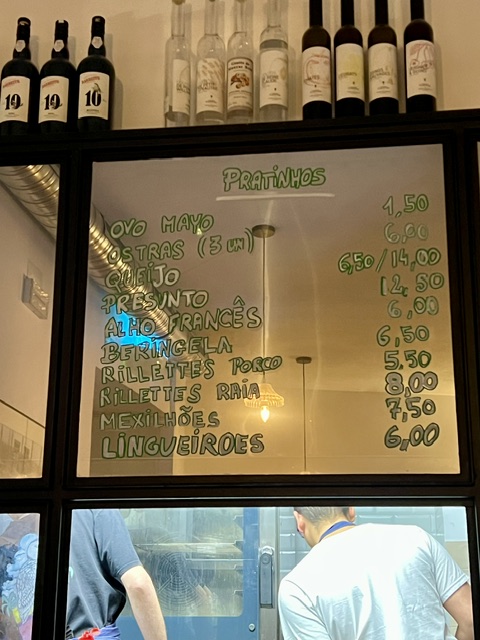
There is a particular kind of place in Lisbon that refuses to commit to being one thing. In the morning it is a coffee bar: a single-group machine on the counter, filter options written in chalk, the smell of something roasting somewhere in the back. By six in the evening the chalk has a natural wine list on it, and the barista who pulled your bica at nine is opening a bottle of something orange from the Alentejo.
This is not a compromise. It is an understanding of how the city actually lives.
The old culture and the new one
Portugal has always had a serious espresso tradition. The bica in Lisbon, the cimbalino in Porto: short, strong, and cheap, taken standing at a marble counter in under three minutes. What changed in the last decade is that a generation of specialty roasters arrived with a different idea about what coffee could be. Slower, more considered, the origin of the bean treated with the same seriousness as terroir on a wine label. They opened small, often in converted shopfronts and old factory floors with more ceiling height than investment capital.
What they found was that the infrastructure already in place for serious coffee mapped almost perfectly onto what was happening in natural wine. The same customers who wanted to know where their coffee came from also wanted to know who made the wine and why the label looked hand-drawn. The crossover was not a marketing decision. It was a practical one.
The same counter that held your morning filter can hold a bottle of orange Arinto by seven. In Lisbon and Porto, this is not a coincidence.
Where it happens
In Porto the phenomenon concentrates around the lower Bonfim and Cedofeita corridors, where rents are still reasonable and the foot traffic is curious rather than touristic. In Lisbon it has spread further: Mouraria, Príncipe Real, the edges of Intendente, wherever the spaces are large enough to hold a roaster, a cupping table, and a wine fridge in the same room without any of them looking out of place.
The spaces tend to share a certain quality: long and narrow, white-walled or raw-plastered, natural light at the front and storage at the back. The same room that works for a standing espresso at eight in the morning works for a glass of skin-contact white at eight in the evening. The footprint is the philosophy.
What it means in practice
The menus are deliberately short in both directions. Nobody is trying to be a restaurant. Nobody is trying to be a wine bar with a coffee machine in the corner. The point is the space between those two categories: a room that can hold a serious morning and a serious evening without either feeling like a concession.
For the people running these places, the logic is economic as much as cultural. A specialty cafe that closes at five is leaving money on the table in a city where the evening runs late. Adding a wine offer that shares the same values as the coffee offer — small producers, natural methods, provenance over brand recognition — extends the day without requiring a kitchen, a new concept, or a different kind of customer.
What to look for when you visit
The most useful thing to know as a traveller is this: if you find a good specialty cafe in either city, ask the barista whether they do wine in the evenings. The answer is often yes, and the recommendation that follows is usually better than anything you would find by searching.
The crossover works because the values that produce good specialty coffee and the values that produce interesting natural wine are not as different as the labels suggest. Both are asking the same question of the thing in the glass: where did this come from, and did anyone care about it along the way?
In Lisbon and Porto, an increasing number of answers are coming from the same address.