Why Tokyo's kissaten culture is the world's most quietly radical cafe movement
Deep Dive · 3 min read
The old-school coffee shops that refused to modernise are now more radical than anything the third wave ever attempted.
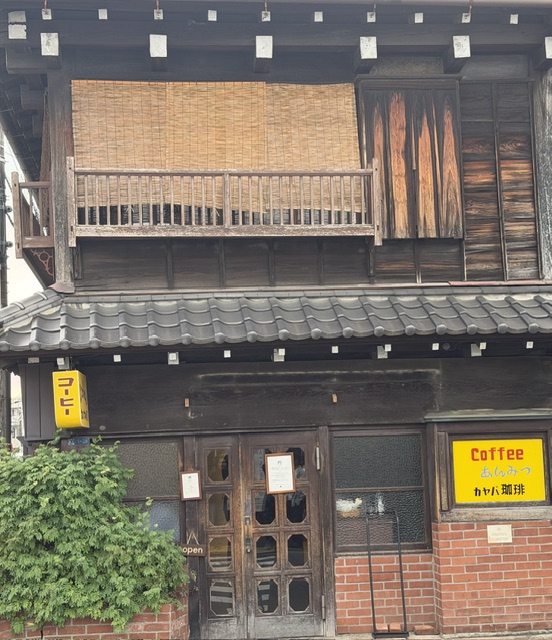
There is a certain kind of Tokyo coffee shop that has not changed since the 1960s. The counter is low and dark. The owner is old. The music is jazz, played at a volume that suggests it is not optional. A sign on the wall says something about no laptops, though the rule predates laptops by decades. These places are called kissaten, and they are, depending on who you ask, either relics of a lost era or the most interesting cafes on earth.
I have come to believe the second thing. Not out of nostalgia — I have no particular attachment to the postwar era — but because of what kissaten did that no one else has managed to replicate: they made coffee serious without making it performative.
The third wave made coffee into a conversation about process. Kissaten made it into a conversation about silence. Both are radical positions. Only one of them requires you to talk about it.
What kissaten actually are
The word translates roughly as tea room, which is misleading — kissaten are overwhelmingly coffee-focused. They emerged in postwar Japan as the primary site of social life outside the home, when home was too small and bars were too expensive and somewhere quiet was needed for the kind of conversation that required concentration. They solved a specific social problem and the best of them never stopped solving it.
The canonical kissaten serves hand-drip filter coffee — siphon, nel drip, or paper pour-over — prepared by an owner who has been making the same three or four coffees for thirty years. The beans are often old-school dark roast, aged and blended in ways that specialty coffee culture has largely abandoned. The cups are heavy porcelain. Nothing costs very much.
- Vannelli Coffee Steep PickKita-Aoyama · Tokyo · Steep Index 8.5/10
The Italian competition powerhouse that opened its world debut in Aoyama and announced its intentions with a ¥5,000 Geisha that justifies every single yen.
- KOFFEE MAMEYA Kakeru Steep PickHirano · Tokyo · Steep Index 8.7/10
The only cafe in Tokyo that asks you to make a reservation, and makes you feel, without question, that it was the right call.
Why now is the right moment to pay attention
The kissaten generation is ageing out. Café de l'Ambre's founder died in 2018 at 103. His shop still exists, run by people who worked beside him for decades and understand that the point is not to change anything. But when that institutional knowledge stops being passed on — and it will, eventually — what is left is either an empty room or a museum piece. Neither is a cafe.
What makes this moment interesting is that a generation of younger Tokyo roasters and cafe owners have started working in the kissaten tradition — not as nostalgia, but as a considered rejection of the third-wave performance. The counter seats. The fixed menu. The absence of wifi as a design principle, not a technical limitation.
How to visit one
The most important rule is to go alone or with one other person. Kissaten are not designed for groups — the counter does not accommodate them and the atmosphere resists it. Order whatever the owner recommends, or ask what the shop is known for. Do not bring your laptop. Pay in cash if you can. Stay longer than you planned.