The fourth wave of coffee is not about the coffee
Deep Dive · 3 min read
Third wave built the best craft the industry had ever seen. It also built rooms that felt cold. The next shift is not technical. It is human.
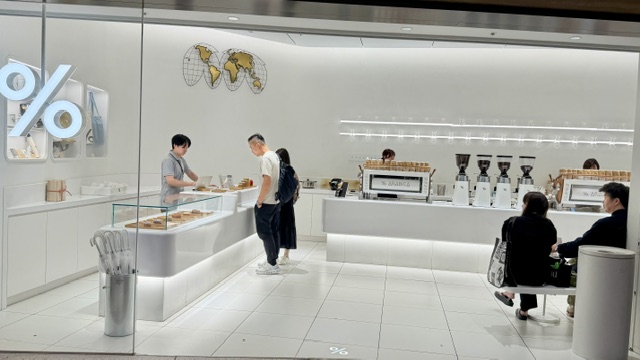
Third wave coffee solved a real problem. Before it, coffee was mostly commodity or theater without skill: the dark-roasted supermarket bag, the faux-Italian espresso bar with a machine nobody knew how to use. Third wave brought precision and traceability. It made the origin of a bean as legible as a wine label. It produced some of the best-tasting coffee in history.
And then, somewhere in the middle of all that, it forgot to build the experience around the person drinking it.
The craft became the point, not the person
The pour-over ritual slowed service down and made it reverent. That was the idea. Reverence for the process, for the origin, for the bean. What it also did, in a lot of rooms, was make the customer feel like an observer of someone else's craft rather than the reason the café existed.
The menus became dense with tasting notes that required a reference point most people did not have. The barista explained the processing method whether or not you had asked. And if you wanted oat milk you sometimes felt like you were interrupting something.
Third wave put the coffee at the center. The next thing puts the person there instead.
What is actually changing
The industry conversation about "fourth wave" coffee clusters around water chemistry, AI-assisted roasting, and TikTok home brewing. These are real developments. They are also not compelling as a human experience. You cannot feel a precision water ratio. You can feel when someone who makes your coffee remembers how you take it.
The shift that is actually happening, in fragments, across cities that are paying attention, is a reorientation from product to person. This is not a new idea in hospitality. Fine dining cracked it in the 2010s. Aesop built a skincare brand on the experience of being in the store rather than the product on the shelf. Ace Hotel understood that what people were paying for was not the room but the feeling of a particular kind of morning. Coffee has not done this yet at a systematic level.
What it looks like in practice
The mobile cart inverts the third wave model. Instead of asking people to make a pilgrimage to a café that has already decided what kind of space it wants to be, the cart comes to where people already are. The better operators are not selling coffee. They are selling a four-minute interaction with someone who knows your name and your order. That is a different product than a flat white. The flat white is just how it is delivered.
The cafés doing this well tend to be neighbourhood-embedded rather than neighbourhood-adjacent. Onibus Coffee in Nakameguro has built, over years in the same location, a regulars culture where the transaction is the smallest part of the visit. The coffee is excellent. That is table stakes. The reason people return is not the coffee.
- ONIBUS COFFEE NakameguroNakameguro, Meguro · Tokyo · Steep Index 8.4/10
Onibus has been a serious Tokyo roaster since 2012 and the Nakameguro location reflects the full weight of that. High ceilings, basement lounge seating, and hand-drip filter work that rewards sitting down for it.
- Vannelli Coffee Steep PickKita-Aoyama · Tokyo · Steep Index 8.5/10
The Italian competition powerhouse that opened its world debut in Aoyama and announced its intentions with a ¥5,000 Geisha that justifies every single yen.
What the next wave is actually about
Every wave in coffee has been a correction of the previous one. The second wave corrected the commodity model by adding scale and ritual. The third wave corrected low standards by adding craft and traceability.
The correction the third wave needs is warmth. Not the performance of warmth, which third wave already does reasonably well with its considered playlists and warm lighting. The actual thing: a service experience that makes the person at the counter feel like the reason the place exists.
The coffee is still excellent. It has to be. But it is no longer the argument.